Designing Objects That Let Work Disappear.
A dual-state desk that transforms space and behavior: productive when open, psychologically calm when closed—built through narrative upcycling.
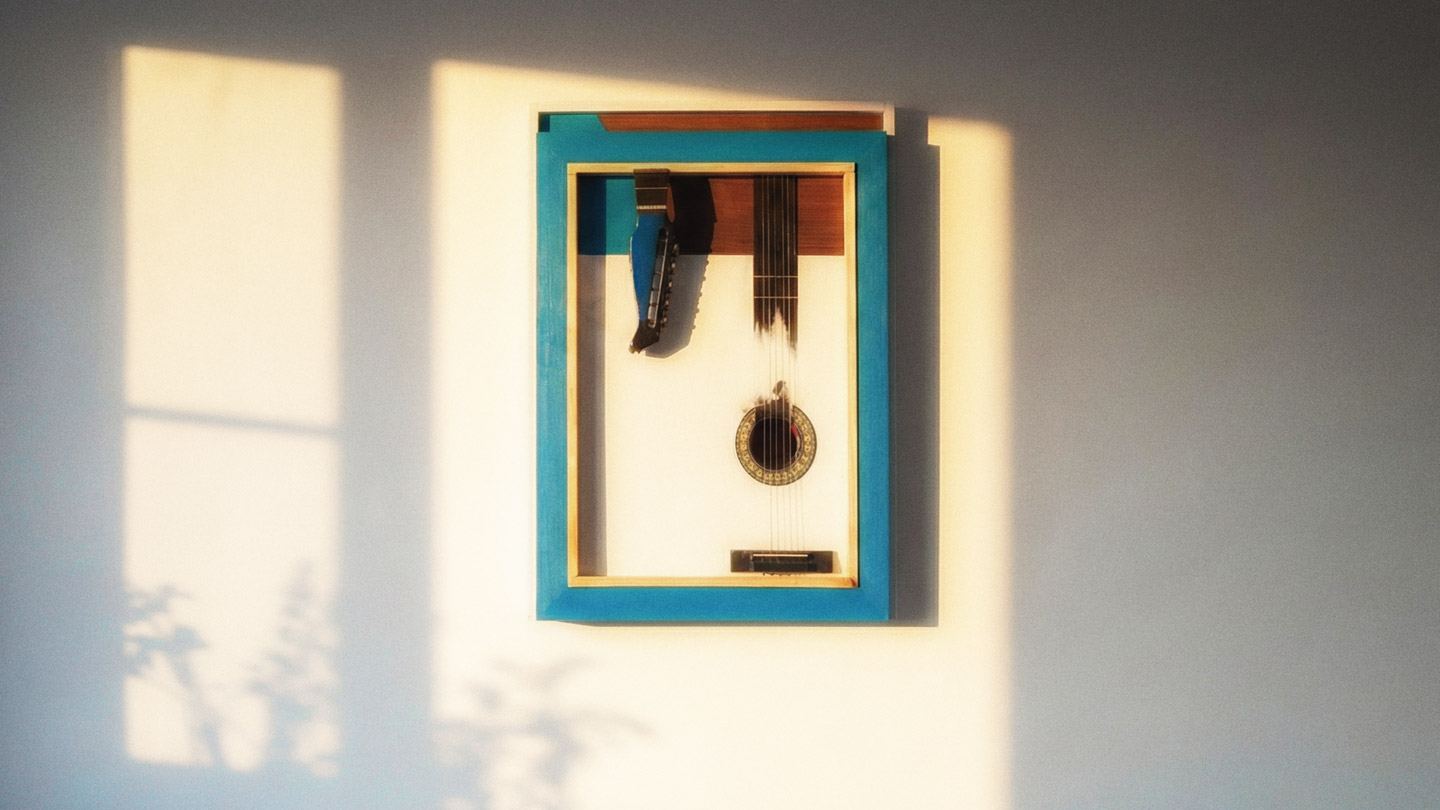
During the pandemic, homes lost their boundaries. The dining table became the office, creating a psychological inability to disconnect. The goal was to create a workspace for limited square footage that disappears when the workday ends.
Users didn’t just want a desk; they wanted to reclaim their sanctuary. If the furniture looks like an office, the stress remains.
Decision: design an artifact of transition—not just furniture.
To compete against generic furniture giants, we built value on transformation. We sourced industrial waste (chains, bicycle parts) and converted them into artistic surfaces.
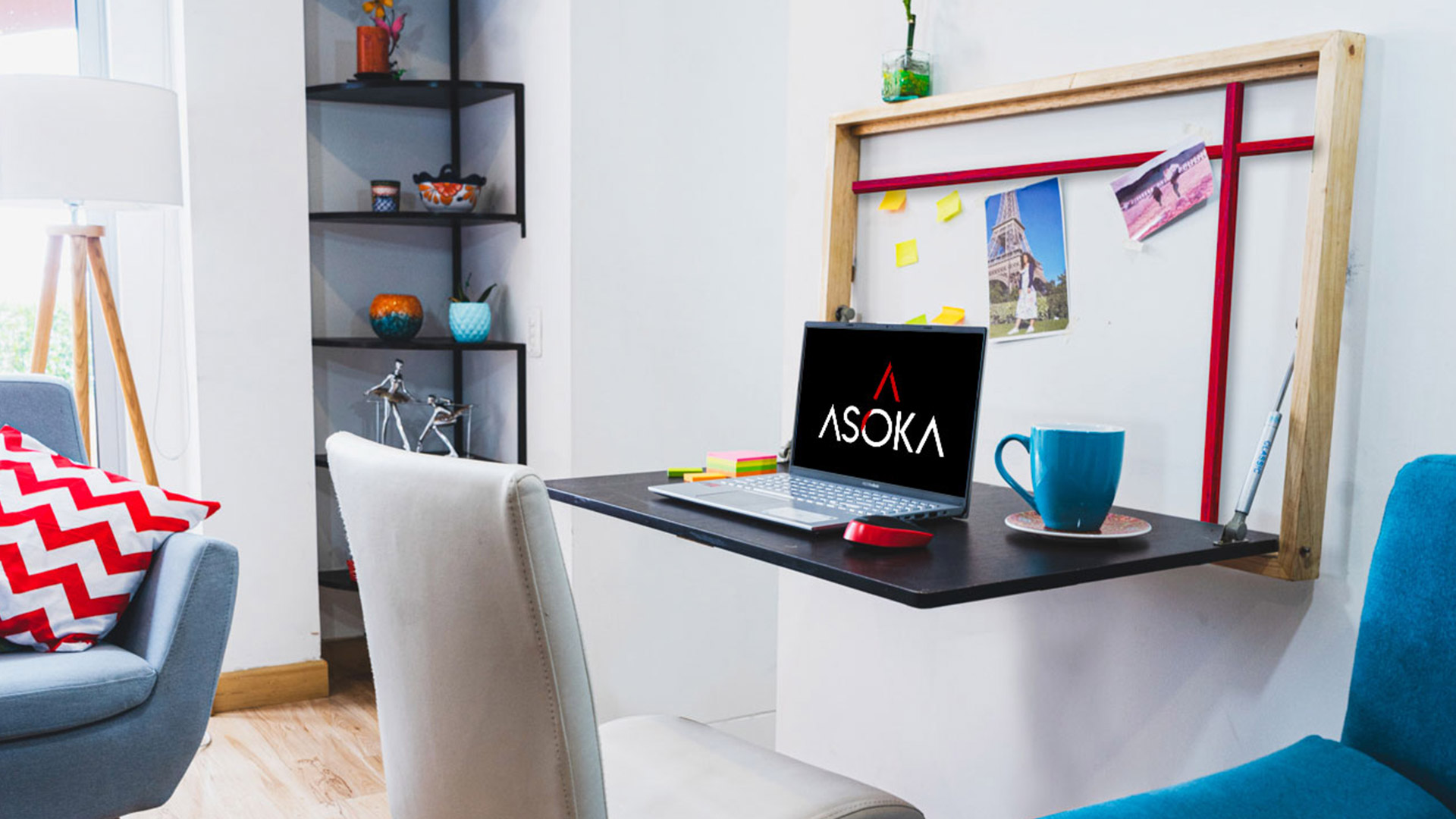
Open state: pure ergonomics and productivity. Closed state: an art piece that conceals the workspace.
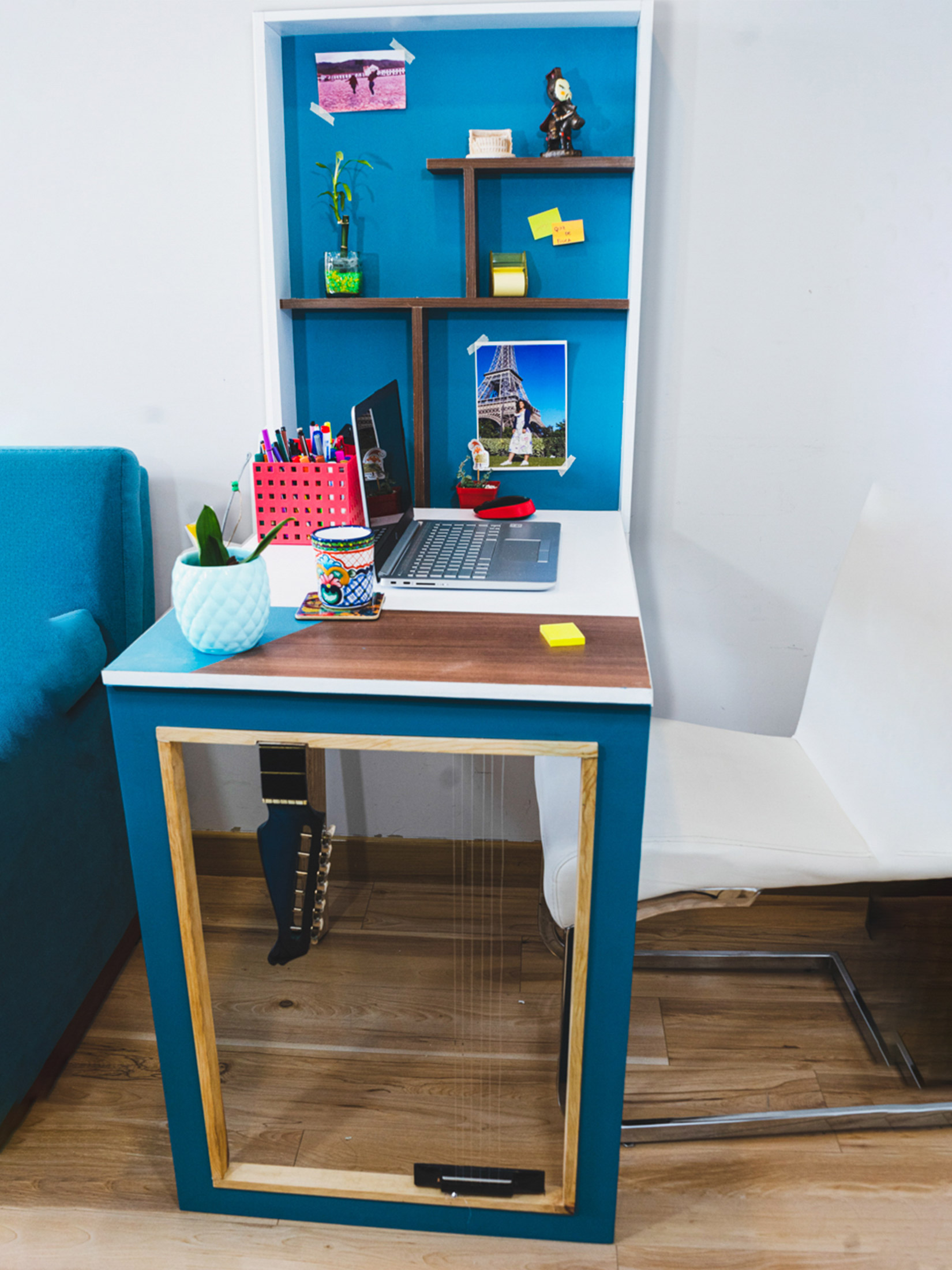
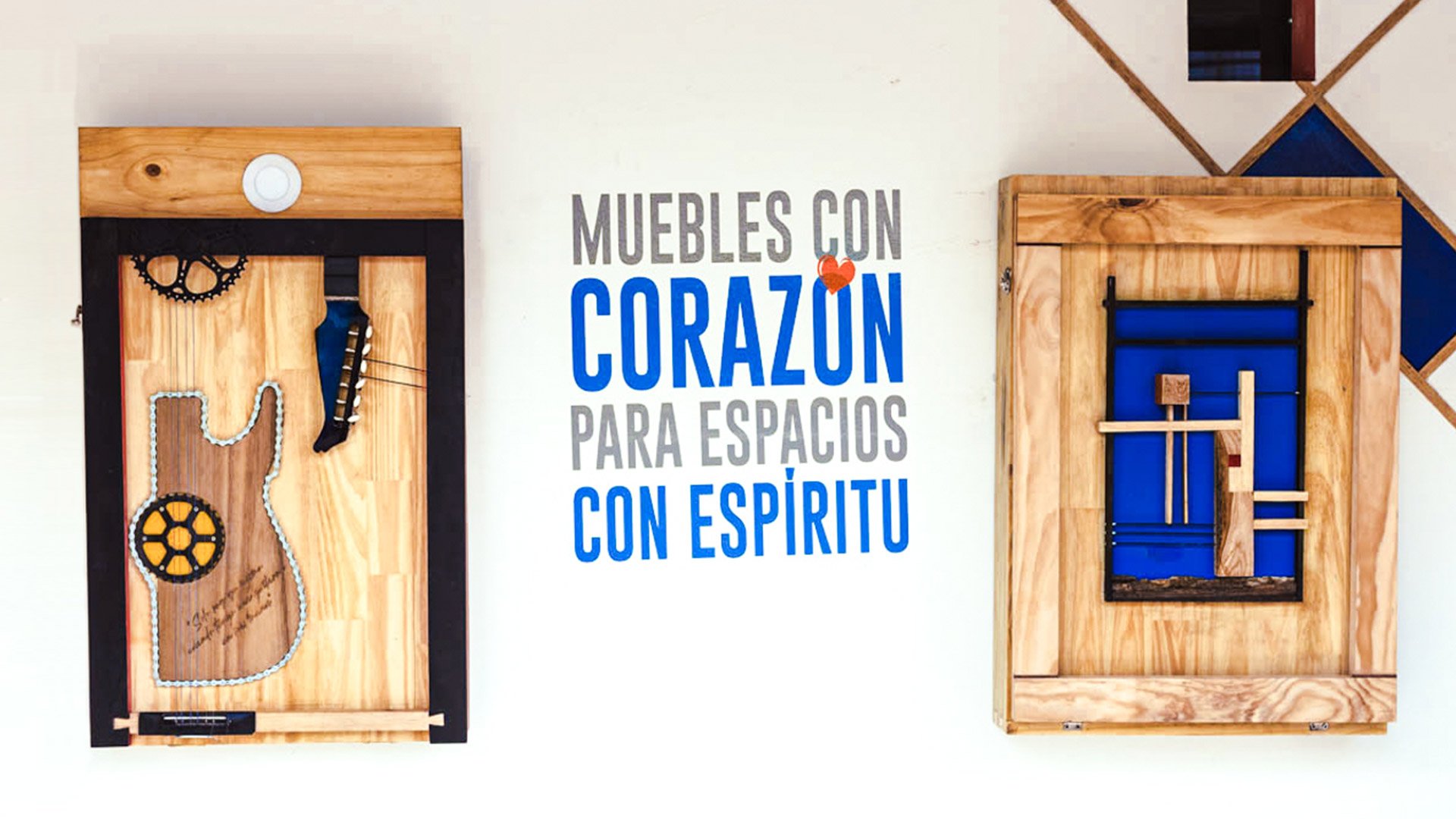
Funding: secured seed capital from Fondo Emprender (SENA) based on concept clarity. Product: created a defensible hybrid category (“Furniture + Art”) difficult to replicate by mass manufacturers. Value: transformed a commodity into a meaningful object.